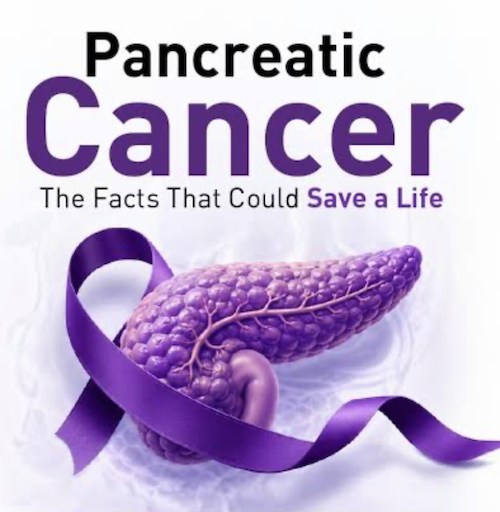
Six weeks ago, my friend sat on our veranda admiring the views of the valley and talking about old times and local politics. Today he died of metastatic pancreatic cancer.
Apart from complaining of a sore neck, there weren’t enough clinical signals to warrant too much concern about his health, and no clue as to any specific cancer. There certainly was nothing to indicate how extensively his cancer had spread. This was very evident when, a few weeks later, a PET scan and following biopsies showed the pancreatic cancer’s widespread aggressive malignant dissemination to the spleen, liver, lungs, bones and more.
The oncologist was frank in his discussions with the patient and planned supportive palliative care aimed at symptom control. As well, systemic chemotherapy (Gemcitabine and Nab-pacitaxel) was prescribed with the caveat that, if tolerated, it only work in less than half these cases. My friend had to stop after the first infusion.
My friend had no family history or known genetic predisposition to this cancer, and no established screening test that could have reasonably have been taken to diagnose his cancer earlier, His case illustrated the problems regarding screening for a timely diagnosis particularly most starkly. There was very little that he, his family or his doctors could have done differently once the cancer had become widely metastatic. He was still walking when I last saw him, yet within a very short period he was in hospital, developed organ failure, became unconscious, and died.
So, what’s the lesson?
Persistent or unexplained combinations of symptoms deserve medical assessment, particularly in older adults.
Things worth discussing with a GP include:
• unexplained weight loss
• persistent loss of appetite
• persistent upper abdominal or back pain
• jaundice or dark urine
• pale/oily stools
• persistent digestive changes
• unexplained fatigue
Cancer Council Australia specifically identifies these symptoms, including new-onset diabetes, as possible manifestations of pancreatic cancer. The important word is persistent. Most of these symptoms have much more common explanations than pancreatic cancer. Don’t wait for pancreatic cancer to announce itself dramatically. Pay attention to persistent, unexplained changes, especially combinations of weight loss, appetite change, digestive symptoms, abdominal/back pain, jaundice, fatigue or newly developing diabetes, and get them investigated.
Advancements in early diagnosis
Because pancreatic cancer is rarely caught early, massive research efforts are focusing on identifying it before symptoms appear:
• Liquid Biopsies (Blood Tests): Emerging technologies are utilizing advanced blood tests to look for circulating cell-free DNA (cfDNA), micro-RNA, and exosomes shed by microscopic tumours. These are being paired with standard monitoring to track disease changes, spot recurrences, or find mutations much earlier than standard imaging can catch them.
• AI-Enhanced Imaging: Artificial intelligence models are being trained to evaluate standard abdominal CT scans and MRIs to spot subtle, structural alterations in the pancreas years before a doctor would visually identify a tumour.
• High-Risk Surveillance Programs: Standardized screening using endoscopic ultrasound (EUS) and MRI for individuals with genetic predispositions (like BRCA1/BRCA2 mutations or familial pancreatitis) has drastically improved 5-year survival rates by catching lower-stage, resectable tumours.
Advancements in treatments
For a long time, pancreatic cancer was considered notoriously difficult to treat, but recent breakthroughs in precision medicine, targeted therapies, and early detection are shifting expectations.
• In August 2026, the FDA approved Rasonque (daraxonrasib), a first-of-its-class daily oral pill. In clinical trials, it nearly doubled overall survivalfor patients with advanced metastatic pancreatic cancer compared to traditional chemotherapy (extending median survival from 6-7 months to over 13 months).
• Overcoming Chemotherapy Resistance: Investigational small-molecule inhibitors, such as elraglusib, are being combined with standard chemo to block the specific proteins that cancer cells use to survive and resist treatment. Phase II data has shown this combination can double 12-month survival rates.
Unfortunately, there was no time to put these advancements in place for my friend and he very quickly became debilitated following diagnosis, while there was no time, or even possibility, to access the newest treatments. While most people agreed his passing was merciful, it was dreadful to witness the tough times the patient experienced and the heartbreak his family and friends experienced. For his medical team, only high praise could be awarded.